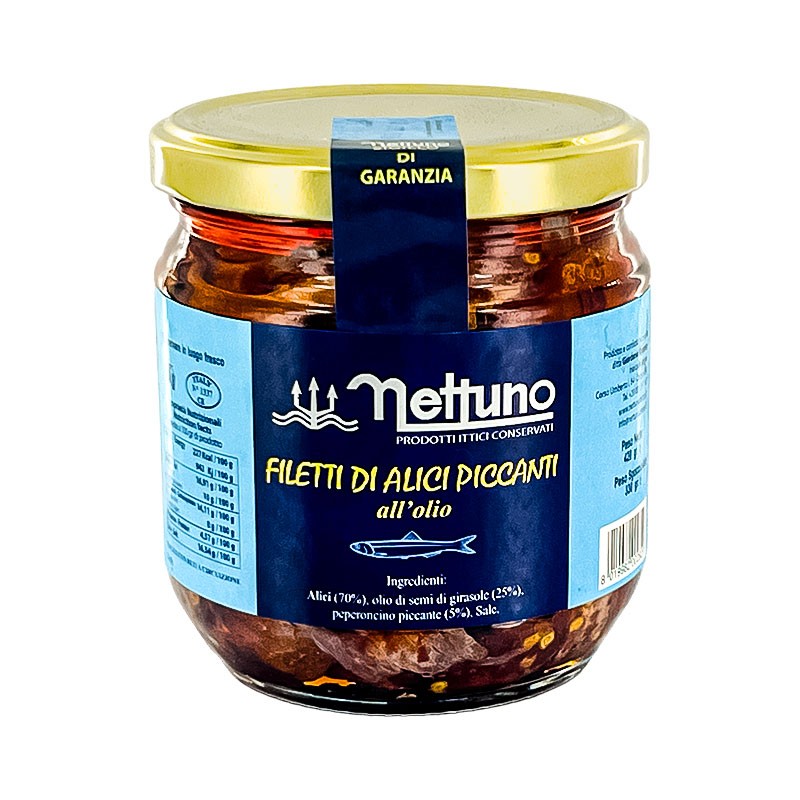
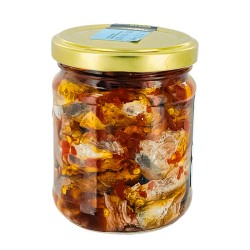
Discover how to enhance the flavors of spicy anchovy fillets from Cetara in oil
To best enhance the flavors of the spicy anchovy fillets from Cetara, it is important to know the different pairing possibilities that can enhance their unique and spicy taste. One of the classic options is to serve the anchovy fillets on a piece of toasted bread, accompanied by a sauce made of fresh cherry tomatoes and garlic. Other ideas for pairing the spicy anchovy fillets might include using grilled vegetables, such as zucchini or peppers, which add a note of freshness and crunch to the dish. Additionally, you might consider serving the anchovy fillets on a bed of arugula and fresh fennel, for a touch of freshness to balance the spiciness of the fish. Experimenting with different combinations of ingredients can lead to pleasant surprises and new culinary discoveries, allowing you to fully appreciate the unique flavors of the spicy anchovy fillets from Cetara.
The benefits of spicy anchovy fillets from Cetara in oil
The spicy anchovy fillets from Cetara in oil are not only incredibly tasty, but they also offer a range of health benefits. These fillets are an excellent source of protein, which is essential for building and repairing muscle tissue. Additionally, they are rich in omega-3 fatty acids, which are known for their positive effects on the heart and brain. Omega-3s help reduce inflammation in the body. The spicy anchovy fillets from Cetara in oil are also a good source of calcium, which is important for bone and dental health. Furthermore, they contain B vitamins and minerals such as iron and magnesium, which are essential for the proper functioning of our body. In short, besides their delicious flavor, the spicy anchovy fillets from Cetara in oil offer numerous health benefits.
History of Anchovies from Cetara
The anchovies from Cetara are a gastronomic product with a great tradition in the Campania region. The history of these tasty anchovies dates back to ancient times, when the fishermen of Cetara began catching them in the waters of the Gulf of Salerno. The processing of anchovies is an art passed down from generation to generation, where every step of the production process is carried out with care and attention. After being caught, the anchovies are immediately processed to keep their flavor and freshness intact. They are cleaned, filleted, and then marinated in vinegar and salt. Subsequently, they are left to dry in the sun for a few hours, before being preserved in oil. This traditional processing method gives the anchovies from Cetara a unique and irresistible taste. Today, the anchovies from Cetara are appreciated not only in Italy but also around the world, becoming a symbol of Campanian gastronomic culture.