The curse of the chickling vetch
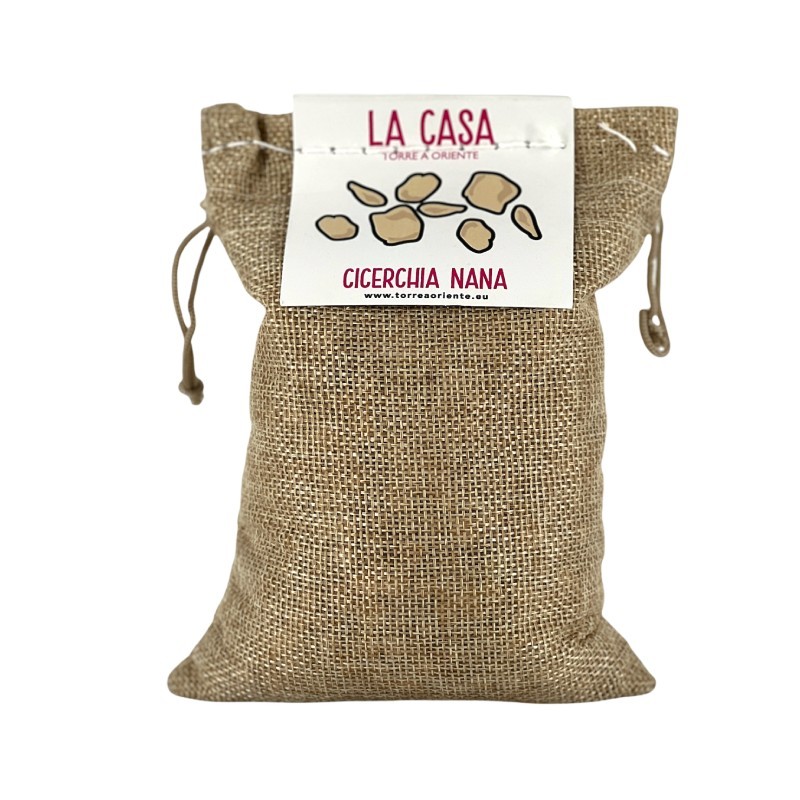
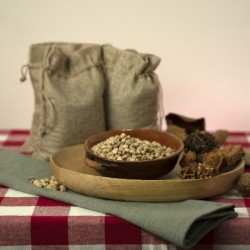
Chickling vetch is an ancient legume. For centuries, it was one of the staple foods of peasants and poorer populations, who used it in large quantities to feed themselves in times of hardship and famine.
Its massive use favoured the spread of a neurological syndrome called "latirism", caused by the presence of an amino acid that was considered toxic and for a long time considered the cursed legume.
In reality, the chances of getting poisoned by vetch are very low - we should eat vetch practically every day!
The effect of the poison is completely prevented by boiling and soaking for 12 to 24 hours.
The properties of vetch
The nutritional composition of chickling vetch is not very different from that of the better known and more widely consumed pulses such as chickpeas, lentils and beans.
Chickling vetch is rich in:
- soluble and insoluble fibre
- it is low in polyunsaturated fats, making it an excellent source of B vitamins
- minerals, iron, calcium, potassium and phosphorus
Chickling vetch is suitable for all ages, but particularly for the elderly and for those in a weakened or convalescent state. It lowers blood cholesterol and helps the cardiovascular system.
Soaking and cooking chickling vetch
Chickling peas must be soaked in lukewarm salted water for at least 12 hours, rinsing 2 or 3 times. At the end of the soaking period, they must be rinsed and are ready to be cooked in a pressure cooker for at least 2 hours or 40-60 minutes.
Their flavour is similar to that of chickpeas, but more delicate, so they are eaten as they are, seasoned in the simplest way with a drizzle of EVO oil, poured directly onto the plate rather than cooked, salt and crushed aromatic herbs.
Then there are the various chickpea-based soups, broths, velvety soups, all of which can be prepared very easily by adding the flavours we prefer: tomatoes, hot peppers, garlic, pepper.